
 See Our Latest Article on HelloNation
Why do sports-related back injuries happen?
Sports-related back injuries often develop when the spine is exposed to more force, repetition, or twisting than the body is prepared to handle. Sudden increases in training, poor movement mechanics, fatigue, contact, falls, and lifting can all contribute.
The lower back is especially vulnerable in activities that involve running, jumping, rotating, bending, or repeated force. A weekend athlete may be at risk after returning too quickly to basketball, skiing, cycling, weight training, or field sports. Young athletes may also develop back pain when growth, intense practice schedules, and limited recovery overlap.
Prevention does not mean avoiding activity. It means preparing the body, increasing demands gradually, and responding to warning signs before a minor problem becomes a more serious injury.
How should athletes warm up before practice or competition?
A useful warm-up should raise body temperature and rehearse the movements required by the activity. Five to ten minutes of easy movement is a reasonable starting point for many people, followed by controlled, sport-specific exercises.
Examples include:
- Brisk walking or easy jogging
- Gentle bodyweight squats
- Hip hinges performed without weight
- Arm circles and trunk rotations within a comfortable range
- Light skipping, shuffling, or movement drills
- Gradually faster practice movements
Static stretching, in which a position is held for a prolonged period, is generally better suited to after activity or a separate flexibility session. Before sports, dynamic movements are often more practical because they prepare the hips, legs, shoulders, and trunk for motion.
A warm-up should not cause sharp pain, numbness, or a feeling that the back is giving way. Those symptoms are reasons to stop and reassess rather than push through.
What exercises help protect the back?
Back protection depends on more than strengthening the back itself. The abdominal muscles, hips, buttocks, and upper legs help control the pelvis and spine during running, lifting, landing, and rotation.
Useful exercises may include:
- Glute bridges
- Bird-dog movements
- Side planks performed from the knees or feet
- Dead bugs
- Bodyweight squats
- Split squats
- Hip-hinge practice with a neutral spine
Start with controlled repetitions and focus on steady breathing. The goal is to maintain good form rather than lift the heaviest possible weight or complete the most repetitions.
A balanced conditioning plan should also include aerobic activity, mobility work, and rest. Repeating only one movement pattern—such as swinging, throwing, cycling, or heavy lifting—can overload the same tissues. Cross-training with lower-impact activities may give irritated areas time to recover while maintaining fitness.
How quickly should training increase?
Training volume should rise gradually, particularly after an injury, illness, long break, or inactive winter. Increasing duration, intensity, distance, and frequency all at once makes it harder to identify what the body can tolerate.
For example, a runner returning after several inactive months might begin with shorter sessions and walking intervals rather than immediately matching a previous mileage level. A weightlifter may reduce both load and repetitions before rebuilding strength. A skier or snowboarder may benefit from conditioning the legs and trunk before the first full day on the slopes.
Fatigue is an important part of this equation. Technique commonly declines late in a practice or game, which can place extra stress on the spine. Planned breaks, adequate sleep, hydration, and at least some recovery time between demanding sessions can reduce that risk.
How can athletes lift and move more safely?
Good lifting technique keeps the load close to the body and allows the hips and legs to share the work. Before lifting, position the feet securely, brace the abdominal muscles gently, and bend through the hips and knees instead of rounding the lower back.

Avoid twisting while carrying a heavy object. Turn by moving the feet rather than rotating the trunk under load. This matters during strength training, moving equipment, carrying sports bags, shoveling, and household activities that may add stress outside of practice.
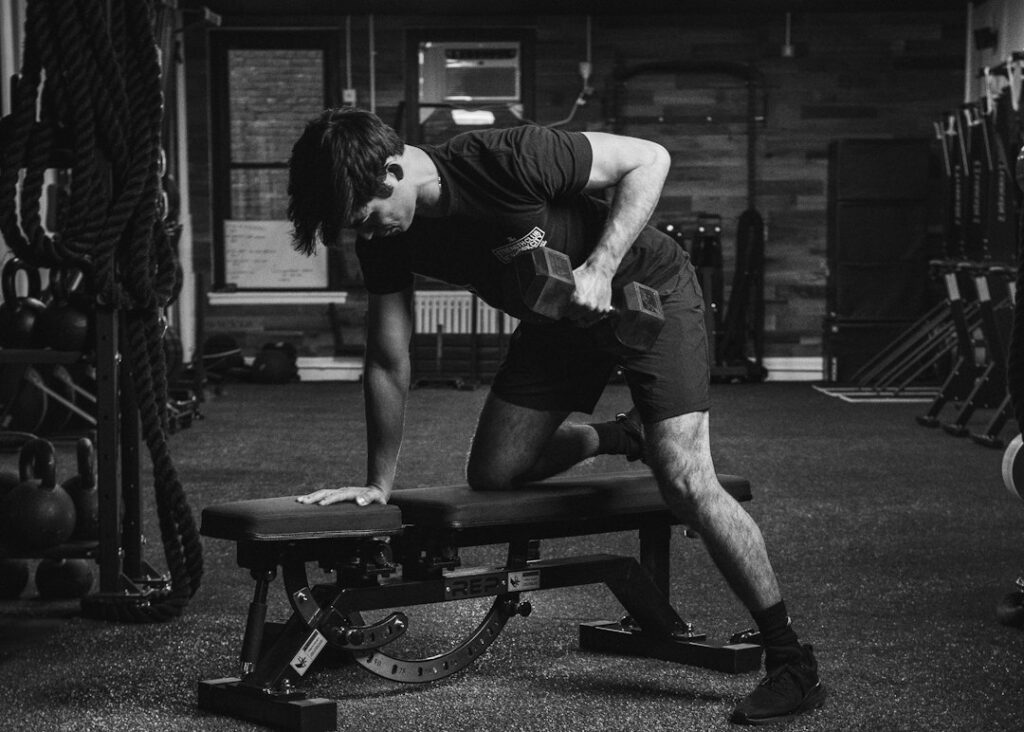
For exercises such as deadlifts, rows, and kettlebell movements, lighter resistance is appropriate until the pattern feels consistent. A rounded back, jerking motion, or loss of control is a signal to reduce the load or stop.
What local conditions should residents consider?
Seasonal conditions can affect injury risk. In Wawarsing, winter cold, snow, ice, and uneven outdoor surfaces may make warm-ups more important and falls more likely. Muscles can feel stiff when activity begins in cold weather, so athletes may need extra time for easy movement before faster drills.
During warmer months, outdoor practices and recreational activities may last longer than expected. Heat, dehydration, and fatigue can interfere with coordination and decision-making. Water breaks, shade, lighter clothing, and scheduling strenuous activity during cooler parts of the day can help athletes maintain safe technique.
Indoor exercise also has risks. Hard floors, limited space, poor lighting, and clutter can contribute to slips or awkward landings. Equipment should be checked before use, and footwear should match the activity and surface.
Should an athlete play through back pain?
Mild muscle soreness after unfamiliar exercise may improve with rest and gentle movement. Pain that is sharp, worsening, persistent, or associated with altered movement should not be ignored.
Stop the activity if back pain causes limping, weakness, loss of coordination, or an inability to move normally. Continuing to play may turn a manageable strain into a longer-lasting problem, especially when the athlete is compensating with the hips, legs, or shoulders.
Prompt medical evaluation is appropriate after a significant fall, collision, or direct blow. Urgent attention is also needed for back pain accompanied by numbness or weakness in a leg, difficulty walking, loss of bladder or bowel control, fever, or severe pain that does not ease.
When is it safe to return to sports after a back injury?
A return should be gradual, not based only on the number of days since the injury. In general, an athlete should be able to walk, bend, rotate, and perform basic sport movements with normal or nearly normal motion and little or no pain before resuming full participation.
A staged return may look like this:
- Easy walking or low-impact aerobic activity
- Light strengthening and mobility exercises
- Non-contact sport-specific drills
- Faster movements, cutting, jumping, or lifting
- Full practice
- Competition
If symptoms return at a higher step, reduce the intensity and allow additional recovery. Athletes with repeated injuries, nerve symptoms, a history of spinal surgery, or pain that does not improve should receive individualized guidance from a qualified healthcare professional before returning to contact or high-intensity sports.
Good preparation is practical: warm up, build training gradually, strengthen the hips and trunk, use sound lifting mechanics, respect fatigue, and treat persistent or unusual pain as useful information rather than an inconvenience.
