
 See Our Latest Article on HelloNation
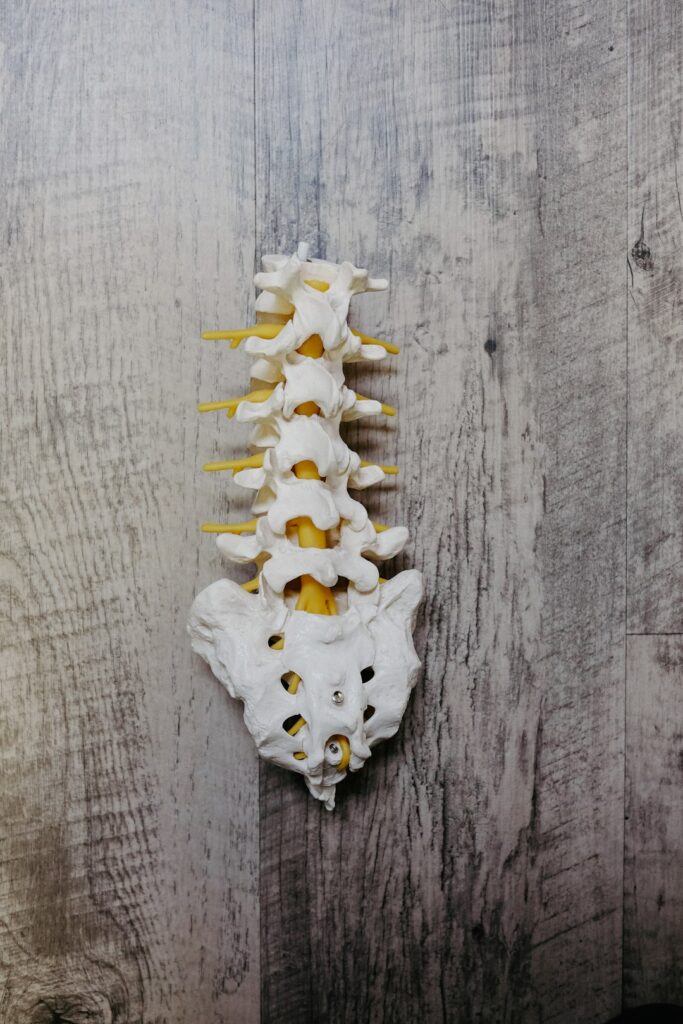
Scoliosis is a sideways and rotational curve of the spine that can affect children, teenagers, and adults. Chiropractic care may help some people manage pain, stiffness, muscle imbalance, and movement limitations, but current evidence does not show that spinal manipulation can reliably straighten a structural scoliosis curve or prevent it from progressing.
What is scoliosis?
Scoliosis is more than a simple postural shift. The spine curves from side to side and may also rotate, which can make one shoulder blade, hip, or side of the rib cage appear more prominent.
A diagnosis is usually confirmed with a physical examination and, when appropriate, standing spinal X-rays. The degree of curvature is commonly measured using the Cobb angle. A curve measuring at least 10 degrees, along with spinal rotation, is generally considered scoliosis.
Some curves are discovered during a child’s growth spurt, while others develop later in adulthood. Adult scoliosis may be related to a curve that began earlier in life, age-related changes in the spinal joints and discs, osteoporosis, or another underlying condition.
Can chiropractic care correct scoliosis?
Usually, no. Chiropractic adjustments should not be presented as a proven method for permanently reducing a structural spinal curve.
Research on spinal manipulation for scoliosis remains limited and inconsistent. Some people may experience short-term relief from back pain or muscle tension, but that improvement is different from changing the shape of the spine. A temporary change in posture, range of motion, or comfort does not necessarily mean that the scoliosis itself has been corrected.
This distinction matters for families seeking care during a child’s growth years. A plan focused only on adjustments could delay appropriate monitoring, bracing, exercise-based rehabilitation, or specialist evaluation if the curve is progressing.
What symptoms might chiropractic care help manage?
Chiropractic treatment may have a supportive role when the main concern is discomfort or restricted movement rather than curve correction. Possible goals can include:
- Reducing muscular tension around the spine
- Improving comfortable range of motion
- Addressing stiffness after sitting, driving, yard work, or household tasks
- Supporting movement habits and body awareness
- Managing certain mechanical sources of back or neck pain
- Helping an adult remain active while using other recommended treatments
The response varies according to the type of scoliosis, age, curve pattern, bone health, nerve involvement, and general fitness. Gentle manual techniques, mobility work, and exercise guidance may be more appropriate than forceful treatment in some cases.
Any treatment should be adjusted if it increases pain, causes new symptoms, or produces unusual soreness that does not settle.
What treatment is usually considered for children and teenagers?
Management depends on the child’s age, remaining growth, curve size, curve location, symptoms, and evidence of progression.
Small curves may simply be monitored at regular intervals. For a growing child with a moderate or worsening curve, bracing may be considered. Bracing is intended to reduce the risk of progression during growth; it does not usually eliminate the curve permanently.
Specific scoliosis exercises may also be recommended. These programs are different from general stretching. They are designed around the person’s curve pattern, posture, breathing, trunk control, and daily movement. Chiropractic care, if used, should complement—not replace—medical monitoring and an established scoliosis plan.
Larger or rapidly progressing curves may require evaluation by a physician who specializes in spinal conditions. Surgery is reserved for selected cases and is not necessary for most people with scoliosis.
How is adult scoliosis different?
Adults often seek help because of pain, fatigue, reduced walking tolerance, or difficulty standing for long periods. In these situations, the source of discomfort may include arthritis, disc degeneration, narrowed spaces around nerves, muscle deconditioning, or uneven loading of the hips and spine.
For adults, useful care commonly emphasizes:
- Safe strengthening of the trunk, hips, and legs
- Improving balance and walking tolerance
- Modifying activities that repeatedly aggravate symptoms
- Maintaining bone health
- Reviewing medications and other medical conditions when appropriate
- Identifying signs of nerve compression or spinal instability

A person with an old, stable curve may respond differently from someone whose curvature is worsening because of degenerative changes. Updated imaging may be needed when symptoms have changed substantially or when prior studies are no longer representative.
When should someone seek medical evaluation first?
A new or rapidly worsening curve should be medically assessed before beginning a treatment plan. This is particularly important for children who are still growing and for adults with new symptoms after an injury.
Prompt evaluation is also appropriate for:
- Numbness, tingling, or weakness in an arm or leg
- Pain traveling down an arm or leg
- Difficulty walking or maintaining balance
- Loss of bladder or bowel control
- Fever, unexplained weight loss, or persistent night pain
- Severe pain after a fall or other injury
- Sudden changes in posture or spinal shape
- Back pain that is intense, progressive, or unrelated to movement
These symptoms may indicate nerve involvement, infection, fracture, tumor, or another condition that requires medical care rather than routine spinal manipulation.
What should residents consider during daily life in Wawarsing?
Seasonal conditions can influence how scoliosis symptoms feel. Cold weather may lead some people to move less, while snow, ice, uneven ground, and heavier winter clothing can increase physical strain. Clearing steps, carrying supplies, lifting firewood, or spending long periods seated during winter travel may also aggravate back discomfort.
Practical strategies include warming up before strenuous outdoor work, dividing heavy loads into smaller portions, using both hands when carrying, alternating tasks, and avoiding repeated twisting while lifting. Supportive footwear and regular movement breaks can be helpful when roads, walkways, or outdoor surfaces are uneven.
These measures do not change the spinal curve, but they may reduce preventable flare-ups and help people remain active.
How can someone judge whether a treatment plan is reasonable?
A responsible plan should explain the difference between pain management and curve correction. It should also identify how progress will be measured, such as walking tolerance, sleep, daily function, pain levels, strength, or range of motion.
Be cautious of claims that adjustments alone can permanently straighten scoliosis, eliminate the need for imaging, or replace bracing or specialist care. A trustworthy approach recognizes uncertainty, coordinates with other clinicians when needed, and changes course if symptoms worsen.
For many people, chiropractic care may be considered one supportive part of scoliosis management. The clearest goal is usually improved comfort and function—not a promise to reverse the underlying spinal curve.
