
 See Our Latest Article on HelloNation
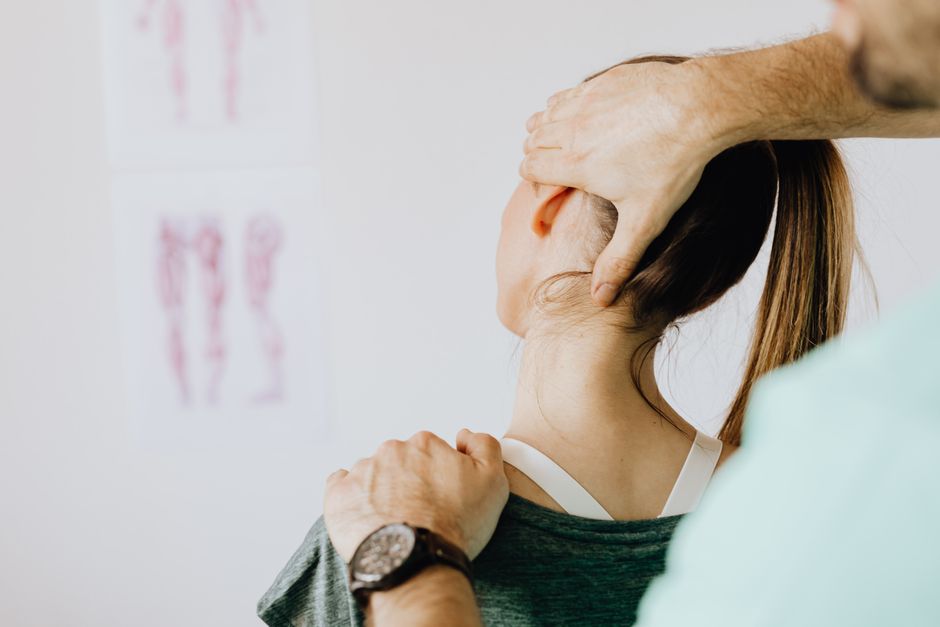
Neck clicking is usually caused by ordinary movement in the joints, muscles, tendons, or surrounding tissues. A painless click that occurs occasionally is often not a sign of damage. The sound becomes more significant when it is paired with pain, stiffness, weakness, numbness, dizziness, or a recent injury.
What does clicking in the neck mean?
“Clicking,” “popping,” “cracking,” and “grating” are commonly grouped under the term crepitus. These sounds can happen when the neck moves through its normal range, such as turning to check a blind spot, looking upward, or getting out of bed.
A click does not always identify one specific problem. It may come from:
- Small pressure changes inside a neck joint
- Tendons or ligaments moving over nearby bone
- Stiff joints becoming mobile again
- Mild changes in the surfaces of the spinal joints
- Muscle tension that alters how the neck moves
The sound may be easier to notice in a quiet room or when a person is paying close attention to bodily sensations. It can also seem more frequent after long periods of sitting, driving, reading, phone use, or working with the head tilted forward.
Why do neck joints pop?
The joints between the neck bones contain lubricating fluid. When a joint moves or stretches, pressure inside it can change. Small gas pockets may form or shift, creating a popping sound.
This is similar to the noise people hear when other joints move. The sound itself does not necessarily mean that bones are rubbing together or that a joint has been “put out of place.”
A joint may also click because its movement is slightly uneven. For example, a stiff area of the neck may move differently after sleeping in one position, spending time at a computer, or holding the head forward while using a mobile device. Once the area warms up and begins moving normally, the clicking may become less noticeable.
Can tight muscles cause clicking?
Muscle tension can contribute to clicking, although muscles usually do not make the same type of sound as a joint. Tight or fatigued muscles may change the way the neck, shoulders, and upper back coordinate during movement.
This can happen after:
- Extended computer or desk work
- Repeated lifting or overhead activity
- Stress-related muscle tightening
- Sleeping with the head turned
- Long drives
- Winter activities such as shoveling, carrying firewood, or clearing snow
In a rural community such as Wawarsing, seasonal chores and outdoor work can place uneven demands on the neck and upper back. A person may notice clicking after several hours of lifting, reaching, carrying, or looking upward. The sound may improve as muscle soreness settles.
Is clicking related to arthritis?
Sometimes. Age-related changes in the small joints of the neck can lead to stiffness, rougher joint surfaces, or a grating sensation. These changes are more likely to cause concern when clicking occurs with persistent pain, reduced range of motion, or stiffness that lasts for weeks.
However, hearing a click does not prove that arthritis is present. Many people have neck crepitus without significant joint disease, and imaging is not always needed to explain a harmless sound.
Regularly forcing the neck to crack is different from noticing an occasional click during normal movement. Repeatedly twisting or pulling the neck forcefully can strain muscles and ligaments, aggravate an irritated joint, or worsen symptoms. The sound should not be used as proof that the neck needs to be “realigned.”
Does clicking mean the neck is unstable?
Usually not. A clicking neck is commonly mistaken for evidence that the spine is loose, displaced, or “out of place.” In most cases, a noise during movement does not establish instability.
True instability is a medical issue associated with specific injuries or conditions and generally involves more than a sound. Severe pain, a feeling that the head cannot be supported, repeated giving-way sensations, or neurological symptoms deserve careful evaluation.
When is neck clicking harmless?
Clicking is more likely to be harmless when it:
- Is occasional rather than constant
- Is not painful
- Does not limit normal movement
- Is not associated with arm or hand symptoms
- Started without a fall, collision, or other injury
- Does not become progressively worse
A person who feels well and has only a mild, occasional click can usually observe it without trying to eliminate the sound. Gentle movement, regular position changes, and attention to work or sleep habits may reduce irritation.
There is no single “perfect” posture. Still, remaining in one position for hours can fatigue the neck and shoulder muscles. Adjusting a screen, taking brief movement breaks, and supporting the arms during desk work may make the neck more comfortable.
When should clicking be evaluated?
A healthcare evaluation is appropriate when clicking is accompanied by symptoms that suggest more than routine joint noise. These include:
- Neck pain that persists or steadily worsens
- Significant stiffness or loss of movement
- Pain traveling into the shoulder, arm, or hand
- Numbness, tingling, or weakness
- Headaches that begin with neck pain
- Swelling, warmth, or tenderness
- Clicking that began after a fall, collision, or sports injury
- Symptoms that interfere with sleep, work, driving, or daily activities
A chiropractor, physical therapist, primary care clinician, or other qualified healthcare professional may assess movement, muscle function, nerve symptoms, and the history of the problem. The most appropriate type of care depends on the findings. Imaging is not automatically necessary for every clicking neck.
Which symptoms require urgent attention?
Seek urgent medical care after a significant injury, especially if neck pain is severe or the head and neck cannot be moved normally. Urgent assessment is also warranted for new weakness, difficulty walking, loss of coordination, or numbness affecting an arm or leg.
Emergency symptoms can include neck pain with sudden severe headache, dizziness, fainting, double vision, trouble speaking, difficulty swallowing, facial numbness, or other abrupt neurological changes. These symptoms are uncommon, but they should not be attributed to ordinary joint popping.
People with fever, unexplained weight loss, a history of cancer, or a condition that affects the immune system should also seek timely medical advice for unexplained neck pain.
What can residents do at home?
For mild, non-injured symptoms, the safest approach is usually gentle movement rather than forceful cracking. Helpful measures may include:
- Taking short movement breaks during desk work or driving
- Using comfortable neck and shoulder positions during sleep
- Applying heat for muscle tightness or cold for a recent mild strain
- Returning gradually to normal activity
- Avoiding sudden, forceful twisting of the neck
- Monitoring whether symptoms are improving over several days
Clicking alone is usually not a reason for alarm. The more useful questions are whether the sound is painful, whether movement is becoming restricted, whether symptoms travel into the arms, and whether the change followed an injury. Those details provide a clearer guide to whether the neck needs simple observation or further evaluation.
