
 See Our Latest Article on HelloNation
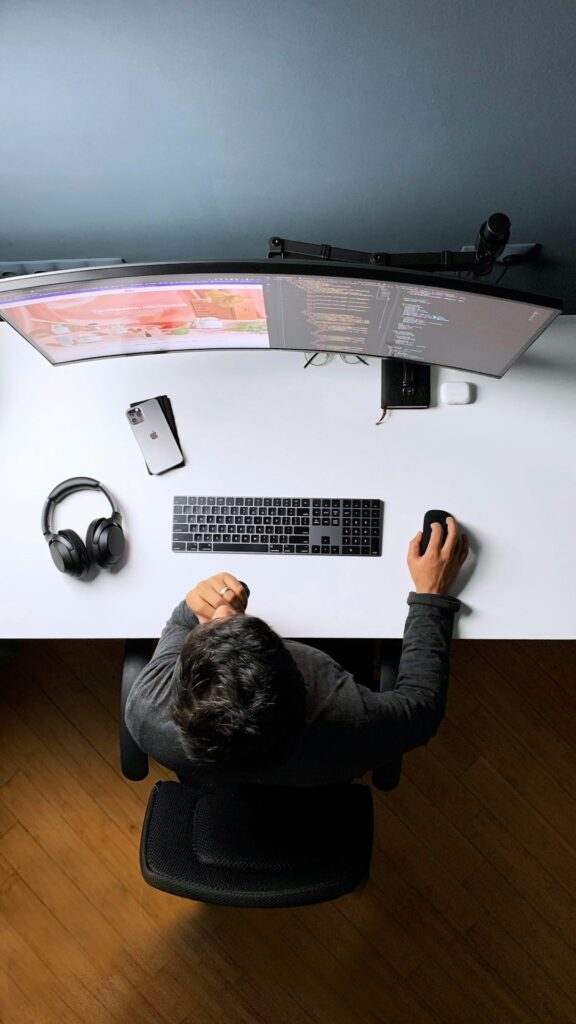
Why does neck pain keep coming back?
Recurring neck pain often results from repeated strain rather than a single serious injury. Common contributors include prolonged screen use, poor sleep positioning, limited movement, muscle weakness, stress-related tension, and repeated lifting or reaching.
Pain may improve for a few days and then return when the same daily habits continue. Prevention usually depends on identifying the pattern behind the discomfort and making small, consistent changes before symptoms become severe.
For residents of Wawarsing, seasonal activities can add to the strain. Shoveling, clearing fallen branches, carrying firewood, gardening, home maintenance, and extended driving may all place extra demand on the neck and upper back.
How can posture reduce recurring neck pain?
A neutral posture reduces the amount of work required from the neck muscles. The goal is not to hold the body rigidly straight, but to avoid staying in one strained position for too long.
At a desk or kitchen table:
- Keep the screen near eye level so the head does not remain angled downward.
- Let the shoulders relax instead of lifting them toward the ears.
- Keep elbows supported when possible.
- Place both feet on the floor or use a stable footrest.
- Change position regularly rather than trying to maintain one “perfect” posture.
Phone use is another common source of repeated strain. Holding a device closer to eye level is usually easier on the neck than looking down into the lap. Voice-to-text or hands-free options can also reduce long periods of forward bending.
Posture also matters during driving, reading, cooking, and household work. If a task requires looking downward, pause periodically, gently move the neck, and reset the shoulders.
What exercises help prevent neck pain from returning?
Regular movement and strengthening can help reduce stiffness and improve the neck’s ability to tolerate everyday activity. Exercises should be comfortable and controlled, not forceful.
Useful movements may include:
- Slow head turns within a comfortable range.
- Gentle chin tucks, drawing the head straight back without looking up or down.
- Shoulder blade squeezes, bringing the shoulder blades slightly together.
- Upper-back extension over the back of a chair.
- Gentle chest and upper-back stretches.
- Walking or other low-impact activity to prevent prolonged inactivity.
Begin with a small number of repetitions and stop if symptoms spread into the arm, become sharp, or produce numbness, tingling, dizziness, or weakness. A stretching sensation may be acceptable, but exercise should not steadily increase pain.
Strengthening the upper back and shoulder muscles is often useful because these muscles help support the head and maintain comfortable alignment. However, exercises should be adjusted for the person’s symptoms, injury history, and general health.
How often should someone take breaks from sitting?
Brief, frequent movement breaks are generally more helpful than waiting until the neck feels stiff. During computer work, reading, or paperwork, stand up or change position every 30 to 60 minutes.
A break does not need to be complicated. Walking around the room, rolling the shoulders, looking across the room, or performing a few gentle neck movements can interrupt the cycle of static strain.
Household tasks deserve the same attention. Alternating hands, changing stance, bringing objects closer to the body, and avoiding long periods of overhead work can reduce accumulated stress on the neck and shoulders.
Can sleep position cause recurring neck pain?
Sleep position can contribute to morning stiffness, especially if the neck remains bent or rotated for hours. Many people find it more comfortable to sleep on the back or side rather than on the stomach, which commonly keeps the head turned to one side.
A supportive pillow should keep the head reasonably level with the rest of the spine. A pillow that is too high may push the head forward, while one that is too low may allow it to fall sideways. The correct height depends on body size, mattress firmness, and sleeping position.
Replacing bedding is not automatically necessary when neck pain occurs. First consider whether the pillow is causing the head to tilt and whether the neck feels better after changing position. No specific pillow design works for everyone.
How should lifting and outdoor work be handled?
Neck pain may return after lifting because people often tighten the shoulders, look upward, or twist while carrying weight. Safer body mechanics include:

- Keep the load close to the body.
- Bend through the hips and knees rather than rounding the upper back.
- Turn with the feet instead of twisting the torso while carrying.
- Divide heavy loads into smaller portions.
- Ask for assistance with awkward or bulky objects.
- Take brief rests during repetitive work.
Cold weather can make muscles feel tighter, while slippery surfaces can increase the chance of sudden movements or falls. Before outdoor work, a few minutes of walking and gentle movement may help the body transition into activity. Warm clothing can also make it easier to avoid bracing the shoulders against the cold.
Does stress make neck pain worse?
Stress can increase muscle tension, reduce sleep quality, and make people less aware of how tightly they are holding the jaw, shoulders, and neck. This does not mean the pain is imaginary. It means the nervous system and muscles may be contributing to the cycle.
Helpful strategies include slow breathing, regular walking, relaxing the shoulders during computer work, and taking short breaks before tension becomes intense. Adequate sleep and a consistent daily routine may also improve the body’s ability to recover.
When should recurring neck pain be medically evaluated?
Neck pain deserves prompt medical assessment after a significant fall, crash, or other injury. Evaluation is also appropriate when pain is persistent, repeatedly worsening, or interfering with sleep, work, walking, or normal arm use.
Seek urgent care for neck pain accompanied by:
- New weakness in an arm or leg.
- Significant numbness or loss of coordination.
- Trouble walking or maintaining balance.
- Loss of bladder or bowel control.
- Severe headache, fever, or unusual stiffness.
- Chest discomfort, shortness of breath, sweating, nausea, or pain spreading to the jaw or arm.
Pain that travels down an arm, particularly with tingling or weakness, may involve a nerve and should not be managed only by repeatedly stretching the neck. A qualified healthcare professional can help determine whether the problem is muscular, joint-related, nerve-related, injury-related, or associated with another condition.
Recurring symptoms are easier to prevent when the contributing pattern is addressed early. Tracking when the pain appears—after sleep, driving, screen use, lifting, outdoor work, or stressful days—can reveal practical changes that reduce future flare-ups.
