
 See Our Latest Article on HelloNation
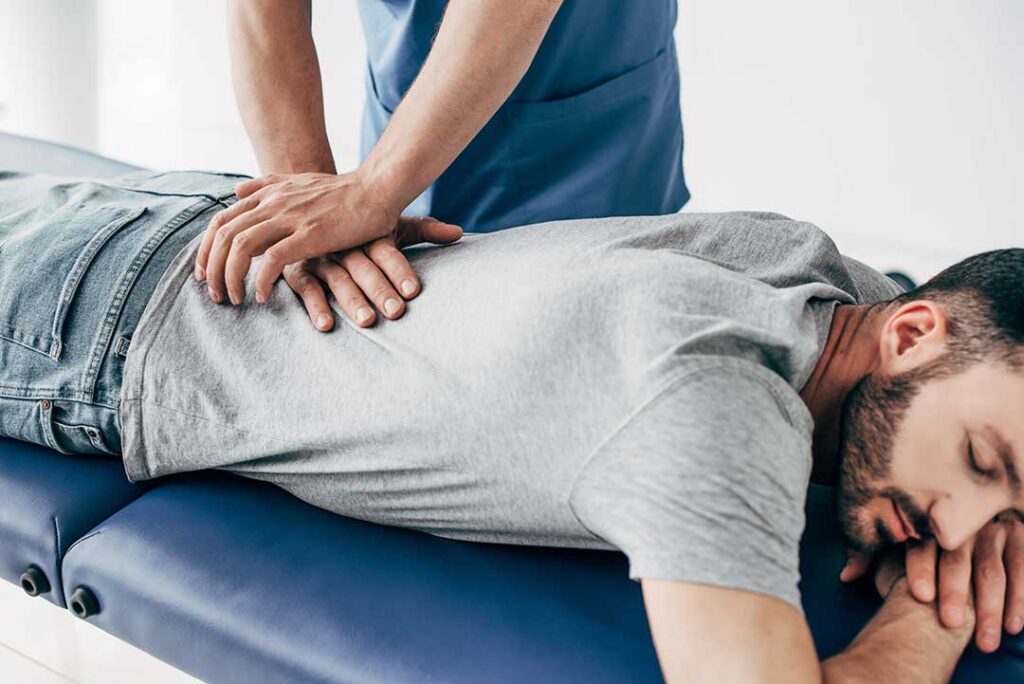
What is a Minor Back Strain?
A minor back strain involves overstretched or slightly torn muscles or ligaments in the lower, middle, or upper back. Most often, this happens after activities like lifting boxes while moving, awkwardly shoveling snow, gardening, or even slipping on icy sidewalks—a scenario not unfamiliar to local residents during cold months. The pain can range from mild discomfort to moderate aching, but without bruising, numbness, or leg weakness.
What Can Local Residents Do Immediately After a Strain?
To manage symptoms right after a strain, start with rest and gentle care for the affected area. Immediately after feeling a pull or ache:
- Stop the activity that caused the pain.
- Rest in a comfortable position (lying on your back with knees slightly bent and supported can ease pressure).
- Apply a cold pack or a bag of frozen vegetables wrapped in a thin towel to the sore area for 15-20 minutes, several times daily. Cold helps reduce inflammation and swelling during the first 48 hours.
Physical activity, even something as routine as carrying groceries from the car up porch steps, can sometimes be resumed after acute pain settles, but avoid heavy lifting or twisting for several days.
When Should Heat Be Used, and How?
Heat can be beneficial after the initial swelling has decreased—typically after the first day or two. Local households often turn to a heating pad, warm towel, or hot water bottle against the back to relax tightened muscles and boost comfort. Always use a warm, not hot, heat source and limit each session to 20 minutes.
A common misconception is to use heat immediately after an injury, but this can worsen swelling. Begin with ice, and transition to heat later for muscle relaxation.
Are Gentle Movements Safe, and Which are Best?
Gradual movement, once severe pain abates, is usually more helpful than total bed rest. Gentle walking around the living space, slow standing stretches, or simple back-flex mobility exercises keep circulation going and prevent stiffness:
- Pelvic tilts (lying on your back, slowly rock hips up and down)
- Gentle knee-to-chest stretches while lying on your back
- Shoulder blade squeezes if upper back is affected
Every movement should be slow—if pain increases or radiates down the legs, stop and resume only after pain subsides.
What Simple Home Care Mistakes Do Area Residents Commonly Make?
- Skipping ice during the first two days, which prolongs inflammation
- Doing heavy chores too soon, such as stacking wood or clearing snow
- Staying in bed for days, which can slow recovery
- Using topical creams and patches excessively, rather than giving tissue time to heal
For most healthy adults, two to three days of rest mixed with gentle movement leads to faster improvement.
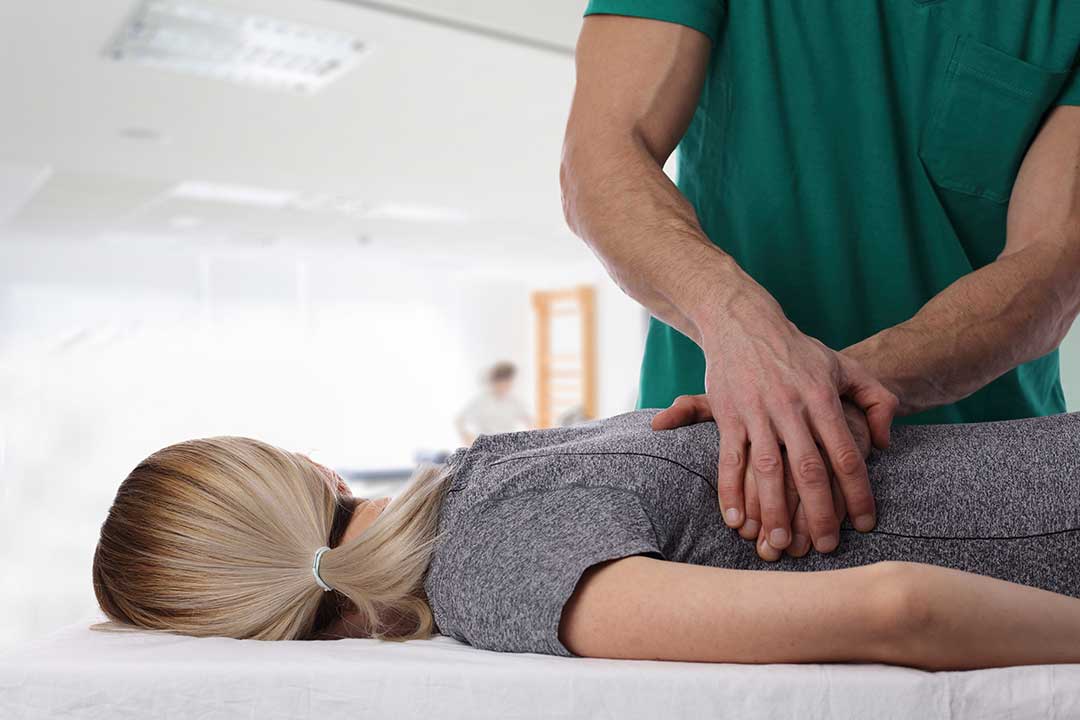
Do Over-the-Counter Pain Medications Help Minor Back Strain?
Non-prescription pain relief, such as acetaminophen or ibuprofen, can temporarily reduce pain and inflammation if used as directed on the package. Residents should double-check the bottle for dose and timing, and avoid mixing pain relievers unless approved by a healthcare provider. These medications are not a cure, but may help with sleep and returning to regular household tasks like light cleaning or child care.
Should You Use Back Supports or Braces?
Brace use is generally reserved for more serious injuries, but a soft back support or stretchy band might offer short-term comfort when standing at a kitchen counter or working at a desk. However, relying on supports for more than a few hours at a time can slow muscle healing. For most minor strains, support from firm seating and proper cushion positioning works well for resting periods at home.
How Can Local Habits Prevent Minor Back Strains from Worsening?
Households in the city with stairs, uneven driveways, or active lifestyles should consider these prevention tips:
- Lift with legs, not back—bend at the knees when picking up mail packages or firewood.
- Keep shovels or tools close to the body and do not twist.
- Take short, frequent breaks when raking leaves or gardening.
- Slip-resistant shoes reduce falls on icy steps or wet tile.
- Use handrails and clear walkways during snowy seasons.
Practicing these habits regularly while doing common chores lowers the chance of repeat injuries.
When Is It Safer to Avoid Treating at Home?
Anyone with severe, worsening pain; numbness in the groin or legs; loss of bladder or bowel control; or pain after a serious fall should seek emergency evaluation. These may be signs of a more serious injury and require urgent care rather than home management.
For the majority of mild to moderate back strains felt after shoveling, yard work, or other daily activities, local residents usually recover well with rest, ice, gradual movement, and mindful self-care.
